Guides / Choosing a Shop
Nearby Shop or Overseas Shop: Where to Machine Your Bike Parts
November 21, 2026
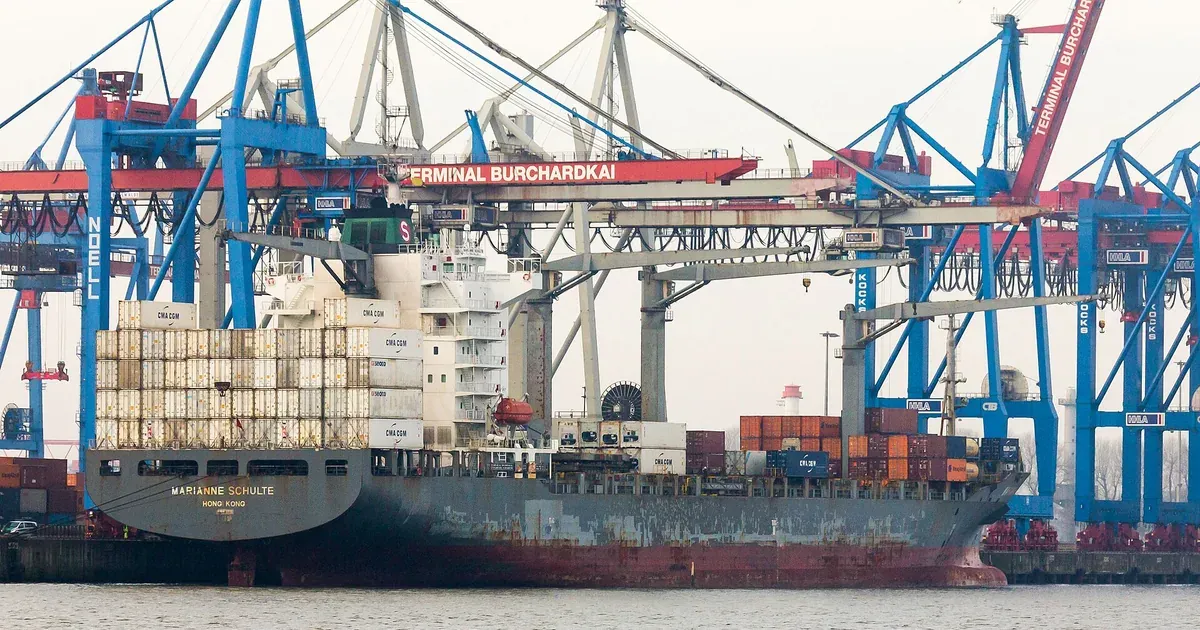
Nearby or far away is not a quality question. A shop in either place can cut a good bike part. The choice is about five things around the cutting: how long parts take to arrive, how easily you can talk to the shop, whether the finishing you need is close by, how you protect the design and what you pay to bring the parts in. This post is part of our guide to custom bike parts manufacturing. It uses “domestic” for a shop in your own country and “overseas” for a shop abroad, and it names no shop country and gives no price per place.
The decision table
| Criterion | Domestic shop | Overseas shop |
|---|---|---|
| Lead time | Shorter transport, fewer handoffs | Transport and customs add stages |
| Communication | Same or near time zone, easy calls and visits | Time difference, more written specification needed |
| Finish access | Anodizer may be nearby or in house | Finisher may be in house, partner or nearby; ask |
| Design protection | One legal system, simpler enforcement | Another legal system; NDA plus advice |
| Duty and paperwork | None on domestic goods | Duty, entry, origin marking, broker |
| Landed cost | Price plus local freight | Price plus freight, duty, brokerage |
| Best use | Prototypes and revisions | Settled parts at steady volume |
Caption: author’s summary. We found no public data comparing machined bike part prices or lead times by shop location, so the table gives none. Ask for quotes.
Lead time
A domestic order has fewer stages after the parts leave the shop. An overseas order adds export handling, main freight, import clearance and delivery to your door. Each is a place where parts can wait. The extra time is not fixed, so ask the carrier or a broker about your route. We found no route-independent figure for it.
Lead time also affects your freedom to change the design. A nearby shop that can turn a revision around in days lets you run several fit checks in a month. If each round trip takes weeks, the same development takes a season. Our guide to bike part lead time builds a schedule you can fill in for either case.
Communication
A bike part drawing never says everything. Someone asks which face is cosmetic, whether a corner can open up, what a note means. With a nearby shop you can solve these in a call or a visit. Across a time difference, each question costs a day. That is manageable when the drawing is complete, and expensive when it is not.
Overseas work therefore asks for more writing. Put the cosmetic faces, the clamping rules, the inspection requirements and the packing in the drawing notes and on the RFQ, not in a conversation. A shop that returns two precise questions has read the drawing, wherever it sits.
Finish access
Bike parts are finished parts, and anodizing is often the step that sets the date. Whichever side you choose, ask who anodizes, whether it is in house and whether the shop has matched color across your alloys before. A shop may have a finisher next door or send parts to a partner. Ask for the answer in writing, because it changes both lead time and color control.
If your range needs a color to match an existing product, a nearby finisher lets you walk a master sample over. If the finisher is far away, agree on a physical master and a written color acceptance rule before the first batch.
Design protection
An NDA is the first step with any shop. The UK Intellectual Property Office describes an NDA as a way to keep an invention secret when talking to others. It is a start and not a guarantee. Where the shop is determines which courts can enforce it, and enforcing it abroad can be harder than at home.
Share only what the shop needs to quote. Keep the full drawing set for after you choose. Ask a lawyer who knows the shop’s country what the agreement can and cannot do. We found no data in this research that ranks countries for design protection, so this post does not either. The site’s RFQ form has an NDA checkbox, which makes the NDA a step before the drawing is shared.
Duty, origin and paperwork
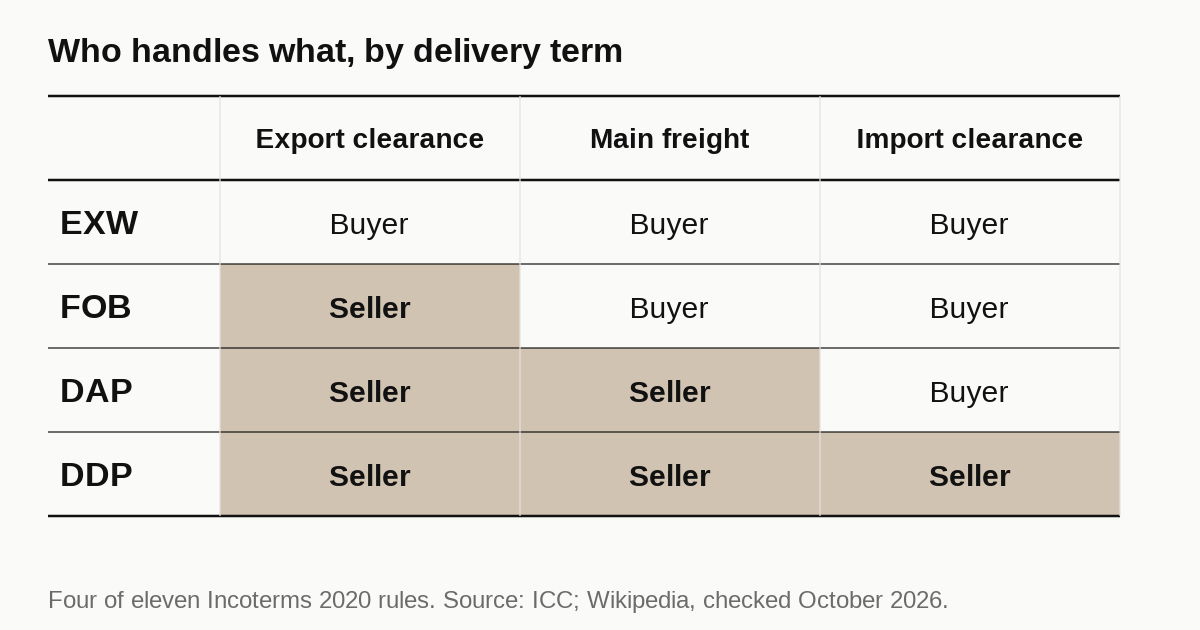
A domestic order does not cross a border. An overseas order does, and the delivery term decides who does the work. Under the 2020 Incoterms, as Wikipedia summarizes them, EXW leaves export clearance, import clearance and freight with the buyer. FOB gives export clearance to the seller. DAP gives export clearance and freight to the seller and leaves import clearance with the buyer. DDP gives all three to the seller. The ICC describes the set as eleven rules, and trade.gov says they do not set the contract price or decide when title passes. The allocation here is directional and comes from Wikipedia, so confirm the exact allocation in the ICC rules text before you rely on it.
In the United States, CBP’s guide says the importer of record files the entry, and that goods are not legally entered until they arrive, delivery is authorized and estimated duties are paid. The guide is an older edition, so confirm current practice with a broker. CBP’s marking guide says foreign-origin articles must carry a country-of-origin mark unless an exception applies, and unmarked articles can face additional duties.
Duty depends on the classification and the origin of the goods, which can change. Our bicycle parts tariffs guide holds the dated US figures. Ask a customs broker for the rate on your part before you compare landed prices, and re-ask when the rules change.
Need a quote for this part? Get a quote for your bike parts
Verdict by use case
| Use case | Lean toward | Why |
|---|---|---|
| Fit sample and function sample | Domestic | Revisions are quick; transport time costs more than it saves |
| Low-volume run | Either | Compare landed quotes; finish batch size matters more than location |
| Pilot batch | Whichever will make production | The pilot should prove the real supply chain |
| Settled production at steady volume | Either, often overseas if landed cost wins | Drawing is frozen and the longer chain is predictable |
| Seasonal part with a hard date | Domestic, or overseas with buffer | A failed first article must not break the date |
Caption: author’s guidance, not a rule. Stage names follow our prototype-to-production guide.
The cost of choosing wrong is asymmetric. An overseas shop chosen too early can turn a two-week revision into a two-month one. A domestic shop kept too long can cost margin on a steady production part. Revisit the choice when the design freezes and again when volume is clear.
Questions to ask either kind of shop
- Who anodizes, and where?
- What does the lead time cover, from PO to what point?
- Which delivery term is quoted, and to what named place?
- How is the first article approved, and how fast?
- Will you sign an NDA before seeing the drawing?
- Who keeps the fixture and program for repeats?
- How are parts packed to avoid marks?
Use the same list for every quote, as in how to compare CNC quotes for bike parts.
Send the drawing and your delivery term
Put your preferred region and delivery term on the RFQ. Send the drawing through the RFQ page, and we read it, quote the finished parts within 24 business hours and place the work with a partner shop that already machines and anodizes bike components. For the whole path, see our guide to custom bike parts manufacturing.
Sources
- ICC, Incoterms 2020
- Wikipedia, Incoterms
- trade.gov, Know your Incoterms
- CBP, Importing into the United States: A Guide for Commercial Importers
- CBP, Marking of Country of Origin on U.S. Imports
- UK Intellectual Property Office, Non-disclosure agreements
Frequently asked questions
Is it cheaper to machine bike parts overseas?
Not automatically. Compare landed cost, which adds freight, duty, brokerage, packing and the cost of time. We found no public price comparison for machined bike parts, so ask each shop for a quote on the same drawing, with the same finish, inspection and delivery term.
Which is better for a prototype, a nearby shop or an overseas shop?
A nearby shop usually suits a prototype. Prototypes change after each fit check, so short transport and easy conversation save weeks. Overseas shops become more attractive once the drawing is frozen and the volume is steady. Revisit the choice when the design freezes.
How do I protect my design when I use an overseas shop?
Sign a non-disclosure agreement before you send files, share only what the shop needs to quote and ask a lawyer in the shop's country about enforceability. The UK Intellectual Property Office describes an NDA as a way to keep an invention secret while you talk to others, not as a guarantee.
Who pays duty on imported bike parts?
It depends on the delivery term. Under DDP the seller pays import duty, and under EXW, FOB and DAP the buyer clears import. Duty depends on the classification and origin of the part, so ask a customs broker for the rate before you compare landed prices.
Need a quote for this part?
Send the drawing. We quote the finished parts, place the work with a partner shop that machines bike parts and reply within 24 business hours.
Get a quote for your bike parts