CNC Bike Parts Machined to Your Drawing
Stems, cranks, chainrings, hubs and e-bike brackets. Send the drawing and we match it with shops that mill aluminum and have anodizing sorted. Reply within 24 business hours.
Why buyers send bike part work here
It comes down to the match: shops that fit your part, from the first quote.
- Matched by specializationYour RFQ goes to up to 3 shops that machine bike parts regularly, picked for your part type, alloy, size and tolerance. Not a general directory.
- Professional suppliersShops in the network quote to your drawing, communicate clearly and keep you updated while your parts are made.
- You deal with the shopQuotes, terms and delivery are agreed between you and the shop. Free for buyers.
Should this part be machined from billet?
Cast and forged components are cheaper per piece at volume, but the tooling is paid up front. Tick what applies to your part. Two or more ticks usually means machining from billet is the cheaper route.
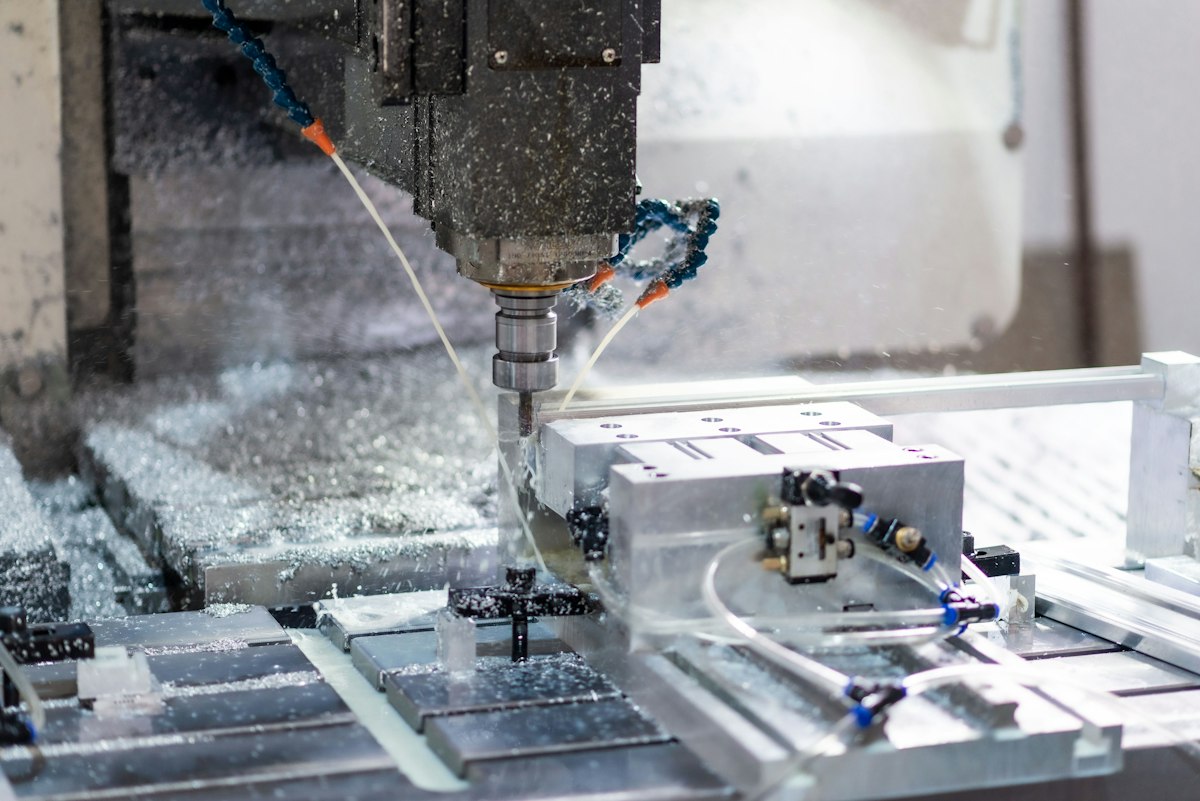
Bike parts shops quote most often
- Stems and faceplates
- Cranks, spiders and chainrings
- Hub shells and freehub bodies
- Brake mounts and adapters
- Seatpost heads and collars
- Derailleur cages and pulley wheels
- Pedal bodies and axles
- E-bike motor mounts and battery brackets
- Headset spacers and top caps
- Bottle cages and accessory mounts
Anything that starts as a block of 6061 or 7075 and ends up bolted to a bike fits here. Frames, forks and carbon parts do not, and we will say so rather than waste your time.
Type II or Type III anodizing?
Nearly every machined bike part gets anodized. Which type you ask for changes the color options, the price and the fit of your bores, so decide it before the shop quotes.
Type II, decorative
5 to 25 microns of oxide, dyed after the bath. The standard finish on aftermarket components.
- Full color range including black, red, blue and gold
- Grows about half its thickness outward from the original surface, so a diameter moves by roughly the full 5 to 25 microns
- Cheaper, and colors can be matched batch to batch on 6061
Type III, hard anodize
25 to 50 microns, grown harder and deeper into the aluminum. For faces that rub or take grit.
- Pedal bodies, chain guides and pivot faces
- Grows enough to matter on a bearing seat, so masking or an allowance on the drawing is needed
- Color is limited to dark grey and black tones
How bike parts are machined: milling, turning, threads, bearing seats and anodizing
Materials and tolerances for bike parts
What changes when you ask a shop to quote in each material. These are typical ranges, not promises. The shop that quotes you confirms what it can hold on your geometry.
| Material | What changes | Typical tolerance |
|---|---|---|
| Aluminum 6061-T6 | The default for stems, mounts, cages and spacers. Cuts fast and takes Type II color evenly across a batch. | ±0.05 mm general, ±0.02 mm on bores |
| Aluminum 7075-T6 | Higher strength for cranks, spiders and direct mount rings. Anodizes darker and less evenly than 6061, so color matching is harder. | ±0.05 mm general, ±0.02 mm on bores |
| Titanium Grade 5 | Slow to cut and hard on tools. Used for axles, bolts and short boutique runs where weight matters more than price. | ±0.02 mm on fits |
| Stainless 303 / 17-4 PH | Axles, pivot pins and hardware that must not gall. 17-4 when the part is heat treated after machining. | ±0.01 to ±0.02 mm on shafts |
| Magnesium AZ31 / AZ91 | Lighter than aluminum but needs chip handling rules and a coating. Fewer shops take it, so expect longer quote times. | ±0.05 mm |
| Delrin (POM) and nylon | Pulley bodies, bushings and chain guides. The part moves with temperature and moisture, so hold tolerance only where it matters. | ±0.05 mm is realistic |
Finishes and what they add to lead time
| Finish | What you get | Typical lead time |
|---|---|---|
| As machined | Tool marks visible. Fine for prototypes and internal parts. | No added lead time |
| Bead blast + Type II anodize | The standard look for aftermarket components. Even matte color, 5 to 25 microns. | Add 5 to 10 days |
| Type III hard anodize | Thicker and harder for wear faces such as pedal bodies and chain guides. Color choice is limited to black and grey tones. | Add 7 to 12 days |
| Polished or tumbled | Hand work on top of machining. Cost rises with the number of faces. | Add 5 to 10 days |
| Laser mark | Logo, size or serial. Done after anodizing for a light mark on a dark part. | Add 1 to 2 days |
Every material compared: strength to weight, fatigue, finish and which part each suits
Who sends bike part RFQs
Different buyers bring different paperwork. Mention material certificates, test reports or a color standard in your RFQ so we match shops that already work that way.
Bike brands
Own components to spec rather than buying from a catalog, in colors that match the frame range.
Frame builders
Dropouts, yokes, head tube badges and one-off hardware to suit a frame already on the bench.
E-bike and cargo builders
Motor mounts, battery brackets and torque arms that carry load and have to pass EN 15194 testing.
Component startups
First production run after a prototype, usually with the geometry still being revised.
Race teams and workshops
Short runs of parts that are not sold, made to a deadline set by a race calendar.
Aftermarket and tuning
Adapters, conversion hardware and upgrade parts for platforms the original maker stopped supporting.
How it works
One RFQ from you. A short list of shops that fit. No bidding platform and no middleman on the order.
Send your RFQ
Upload a STEP file or PDF drawing and tell us material, quantity, tolerance, finish and when you need it. Takes about three minutes.
We match up to 3 shops
We read the drawing and pick shops whose machines, part size, materials and finishing fit. You hear from us within 24 business hours.
Shops quote you directly
Each shop contacts you with a quote. You compare, ask questions and place the order with the one you choose.
The full version, including who pays whom and what we will never do
Free reference tables
Every machined bike part bolts to something that already exists. We keep the dimensions that decide whether it fits in one place, so you are not reading six forum threads to find a bore size.
- Interface standardsThirteen tables: steerer and bar diameters, seatposts, bottom bracket shells, spindles, BCD, chainline, hub spacing, freehub splines, brake mounts, threads, bearings. Sources under every table, downloadable as CSV or JSON.
- CalculatorsBolt circle from two hole centers, and what anodizing does to a bore or shaft before you put the tolerance on the drawing.
- Alloys and finishesTensile, yield, density and stiffness for what actually gets machined, plus what each finish does to your dimensions.
- RFQ checklistForty items a shop needs before it can quote without guessing. Printable, and it works whoever you send the drawing to.
Structural parts need testing, and that is your call
Stems, cranks, steerer clamps and e-bike motor mounts carry a rider. A shop machines to your drawing and can report what it measured. It cannot tell you the design is safe.
- ISO 4210The test series for bicycle components, including stem, handlebar, crank and pedal fatigue tests. Booked with an independent lab.
- EN 15194Applies on top of ISO 4210 once a motor is involved. Relevant for mounts, torque arms and battery brackets.
- Material certificatesAsk for the mill certificate on the billet if you plan to test or certify. Say so on the RFQ, not after the parts ship.
- First article inspectionA measured report on the first piece before the batch runs. Cheap compared with scrapping 300 parts.
What drives the price of a machined bike part
Five things decide most quotes. If a price looks high, one of these is usually the reason, and some of them you can change on the drawing.
- Setup and programmingCAM work and fixturing are paid once per order. On a run of 10 they are most of the price, on 500 they disappear into the part cost.
- Billet sizeYou pay for the block, not the finished part. A stem cut from a large billet can throw away more than half its weight in chips.
- ToleranceEvery step tighter than you need adds machine time and inspection. Tolerance the steerer bore and the bearing seat, leave the cosmetic faces open.
- FinishAnodizing has batch minimums and color matching between 6061 and 7075 takes extra work. Hard anodize costs more than Type II.
- QuantitySetup spreads over more parts as quantity rises, so the price per part drops sharply between 10 and 100 pieces.
Have a drawing ready?
Send the short version now. We will ask for anything missing. If you prefer to give full details up front, use the full RFQ form.
Your files go only to the shops we match. Ask for an NDA and nothing is shared until it is signed.
Mill aluminum and anodize it? Get bike part RFQs.
Shops see a preview of each request before paying for it and talk to the buyer directly. We take no commission on the order.
Questions buyers ask
Something else? Email .
Do you machine the parts yourselves?
No. We are a matching service, not a machine shop. We read your drawing and pass it to shops that mill aluminum bike parts and have anodizing sorted. They quote you, and you place the order with them.
Is this free for buyers?
Yes. Sending an RFQ and receiving quotes costs you nothing. Shops pay us for matched requests. Price, tooling, finish and delivery are agreed between you and the shop.
Who sees my drawing?
Shops first see a short preview: part type, material, size, quantity, tolerance, finish and deadline. The preview carries no name, company or files. Your contact details and files go only to the shops we match, up to 3. Tick the NDA box and the files wait until it is signed.
What is a realistic minimum order?
It depends on the shop. Prototype runs of 1 to 10 pieces get quoted, usually at a high price per part because programming and fixturing are paid once. Most shops that machine bike parts are comfortable from 50 pieces up, and anodizing runs have their own batch minimums.
Can the same shop anodize and laser mark the parts?
Most shops that quote bike parts handle finishing through an anodizer they already work with, so you buy the finished part rather than manage two vendors. Say on the RFQ whether you need Type II color, Type III hard anodize or a logo, because it changes the quote and the lead time.
Can you certify a stem or crank to ISO 4210?
No. We do not test parts and we do not issue certificates. A shop machines to your drawing. Fatigue and strength testing to ISO 4210 or EN 15194 is arranged by you or by the shop with an independent test lab, and the brand that sells the part carries that responsibility.
Guides for bike parts buyers
- Process
Thread Milling vs Tapping on Bike Parts: When It Matters
A tap is faster and cheaper per hole. A thread mill is safer in 7075, titanium and big bottom bracket threads. How to choose and what to write on the drawing.
- Materials
Stainless Steel Bike Hardware: 17-4 PH Axles and Bolts
Common A2 and A4 stainless bolts are weak. 17-4 PH is strong and corrosion resistant. Heat treatment conditions, galling and passivation for bike axles and pins.
- Finishing
Shot Peening Machined Bike Parts for Longer Fatigue Life
Shot peening adds compressive stress to a part's surface and can extend fatigue life. When it helps a bike part, how it is specified and what it costs.